Introduction
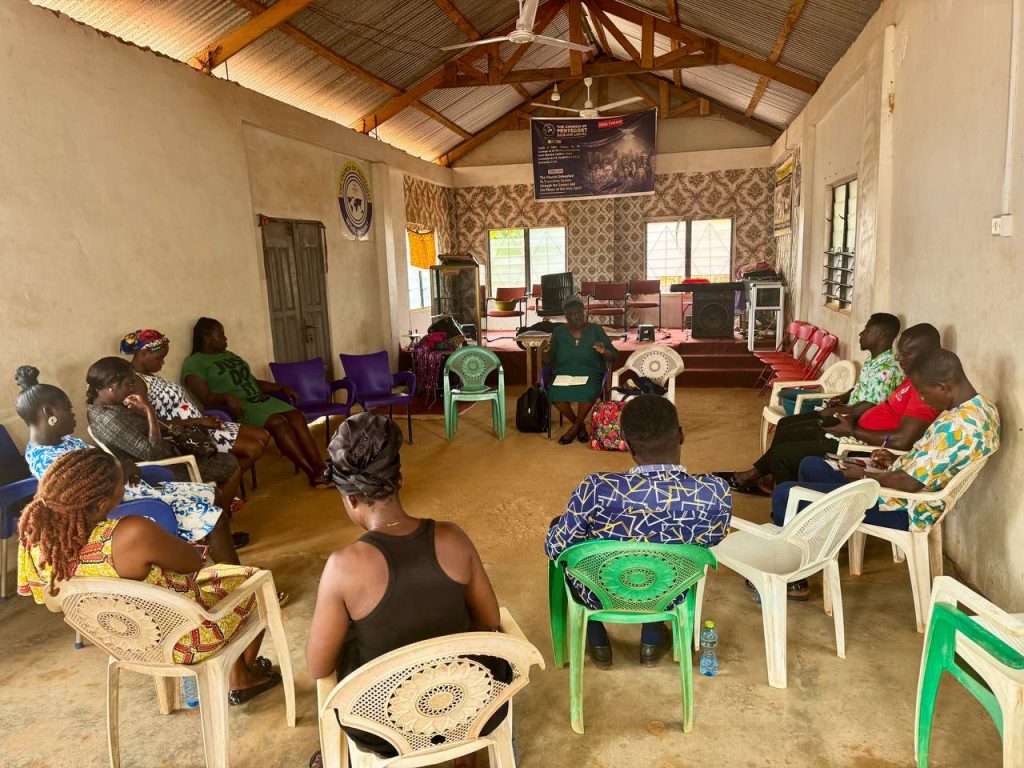
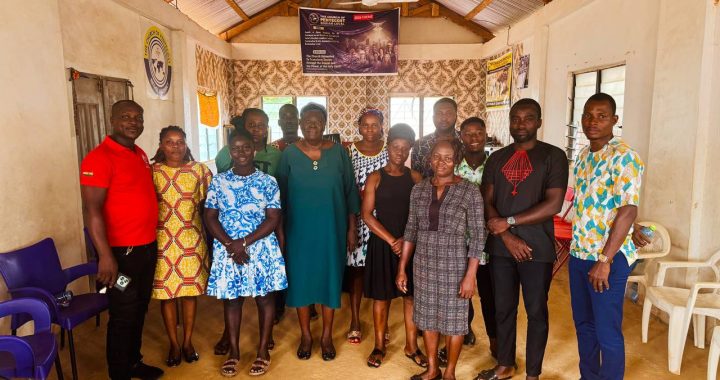
The District Dialogue was convened to institutionalize the Girls’ Rights Project, aiming to dismantle systemic barriers to gender equality within the Bosome Freho District on 3rd November, 2026 at the Pentecost Church Premises-Bobiam which was undertaken by Rights and Responsibilities Initiatives Ghana with Sponsorship from Defence for Children International, Ghana Chapter.
The primary objective of the District Dialogue was to amplify the Girls’ Rights Project to actively promote Gender Equality within the Bosome Freho District. The programme aimed to foster collaboration among key institutions to ensure the protection and empowerment of the girl child.
The initiative is firmly anchored in the Children’s Act, 1998 (Act 560), which serves as the primary legislative bedrock for the welfare of the child in Ghana, mandating that the “best interest of the child” remain the paramount consideration in all actions taken by state and non-state actors
Stakeholder Participation
The meeting brought together a diverse group of stakeholders to ensure a multi-sectoral approach to the project. Participants included: five (5) officers from the Bosome Freho District Assembly thus the Gender Equality Desk, IT, Budget, Assembly members and a teacher, The Health Educator of the Bosome Freho Health Directorate, two (2) pupils, Facilitators pf apprentices and Youth Advocates for Rights and Responsibilities Initiatives Ghana in the Bosome Freho District.
Key Focus Areas and Legal Frameworks
A central component of the dialogue was the integration of legal protections and the addressing of critical social issues affecting girls in the district. The discussions focused on the following:
- Legal Protections and Criminal Justice: To strengthen the enforcement of girls’ rights, the dialogue emphasized the strict application of the Criminal Offences Act and the Human Trafficking Act. These frameworks were highlighted as essential tools for prosecuting offenders and protecting vulnerable girls from exploitation and human trafficking.
- Gender-Based Violence: In alignment with the Domestic Violence Act, the programme addressed the necessity of tackling domestic and community-based violence. The dialogue focused on identifying and preventing sexual violence, ensuring that survivors have access to justice and that perpetrators are held accountable under the law.
- Social Challenges: The stakeholders addressed the rising concerns of teenage pregnancy, discussing how this issue impacts the educational and economic futures of girls. The dialogue sought to establish better support systems and preventative measures to reduce the prevalence of teenage pregnancy within the district. The facilitator, Abba Oppong entreated that adults responsible for pregnancy in teenagers below the age of 16 years should be made to face the full rigorous of the law rather than parents/guardians demanding gift to settle these hideous crimes.
The Foundation of Women’s Rights
The dialogue further grounded these initiatives in the five fundamental rights essential for girls’ development:
- The Right to Vote and participate in Politics: Ensuring girls are empowered to have a voice in community governance.
- Right to Reproductive Autonomy: Providing the health education necessary for informed decision-making.
- Equal pay and economic opportunity: Preparing girls for financial independence through vocational and academic pathways.
- Freedom from Gender-Based Violence: Utilizing legal frameworks to ensure a safe environment free from fear.
- Right to Education: Recognizing schooling as the primary vehicle for achieving all other rights.
Strategic Outcomes and Way Forward
The dialogue concluded with a commitment to integrate the protections outlined in the Children’s Act into the district’s ongoing advocacy work. It was established that legal awareness must be paired with community-based interventions to effectively combat gender-based violence. The stakeholders agreed to continue monitoring the progress of the Girls’ Rights Project, with a focus on creating safer spaces for girls to thrive. By leveraging the combined expertise of the District Assembly and local civil society, the Bosome Freho district aims to institutionalize these rights, ensuring that every girl child has the freedom to participate in political, social, and economic life without the threat of violence or discrimination.